

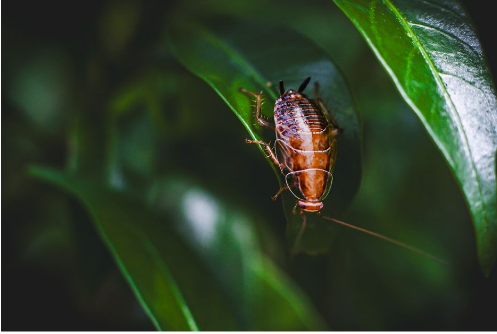
A good rain can make everything outside feel refreshed. Unfortunately, it can also send some very unwelcome visitors looking for somewhere drier to stay.
Cockroaches are particularly good at adapting when conditions around them change. Excess rain can disturb outdoor hiding places, while the moisture left behind can create favorable conditions in and around a home. If roaches seem to appear more often after wet weather, the timing may not be a coincidence. Understanding what drives that movement can help you deal with the conditions attracting them rather than simply chasing whichever roach happens to cross the kitchen floor.
Rain Can Turn Familiar Hiding Places Upside Down
Cockroaches generally prefer protected environments where they can find moisture, food, and shelter without much disturbance.
Heavy rain can disrupt those conditions.
Soil can become saturated, low-lying hiding areas can flood, and spaces around drains, foundations, mulch, and other damp outdoor areas may become less suitable. Some cockroach species are known to move into buildings when outdoor conditions change or rainfall becomes excessive.
That does not mean rain suddenly creates a new population of roaches.
It can simply change where existing insects are able to shelter.
Once they start moving, a dry structure with small openings, warmth, food, and accessible water can become an attractive alternative.
Understand Why Activity Can Increase After Wet Weather
A sudden increase in sightings can be confusing, particularly when nothing obvious has changed indoors.
Weather may be changing the conditions outside instead.
If you want to understand why cockroach activity increases after heavy summer rain, it helps to look at the relationship between outdoor shelter, moisture, and entry points. Saturated hiding areas can encourage some roaches to relocate, while openings around a building give them potential routes indoors.
Once inside, whether they stay becomes a different question.
Food, water, warmth, clutter, and protected cracks can turn a temporary visitor into part of a much more persistent problem.
That is why the best response looks beyond the roach you can see.
Moisture Matters More Than Most People Realize
Crumbs usually get blamed first when cockroaches appear, but food is only part of what keeps them around.
Water matters enormously.
Leaking pipes, dripping faucets, damp cabinets, condensation, wet cleaning materials, and other reliable moisture sources can make an indoor space more hospitable.
This helps explain why kitchens, bathrooms, utility areas, and spaces around plumbing often become activity zones.
Humidity can contribute too, but it is better to think about specific moisture sources than simply assuming a humid day causes an infestation. A home with food stored securely and leaks repaired is much less useful to roaches than one offering easy access to both food and water.
That distinction matters because cleanliness alone is not always enough.
You can have spotless countertops and still have a slow leak beneath the sink.
The Entry Point May Be Surprisingly Small
Cockroaches do not need an open front door.
Gaps around pipes and utility lines, worn door seals, damaged screens, cracks and crevices, and openings around cabinets or walls can provide possible routes or hiding places.
Some species can also move through drains or plumbing-related areas.
Walk around the exterior and look at the building the way a very small insect might. Pay particular attention to places where pipes, cables, vents, or other utilities enter.
Inside, inspect areas beneath sinks, around cabinets, behind appliances, and near plumbing penetrations.
Sealing those gaps serves two purposes: it can reduce possible entry routes and eliminate some of the protected crevices roaches use for shelter.
A tiny opening may not look like much to you. To a cockroach, it can be a perfectly respectable doorway.
Make Food and Water Harder to Find
Pest prevention becomes much more effective when you stop thinking only about killing insects and start thinking about what allows them to survive.
Integrated pest management takes exactly that approach. Practical cockroach prevention guidance focuses on reducing access to food, water, and shelter while sealing potential entry points.
In everyday terms, that means cleaning food spills promptly, storing food securely, dealing with grease and crumbs around appliances, fixing leaks, and avoiding dirty dishes sitting overnight.
Pet areas deserve attention as well. Food and water left accessible can become additional resources.
You do not need to turn the kitchen into a laboratory every evening. Consistency matters more than perfection.
The fewer reliable resources roaches can find, the harder it becomes for them to settle in.
Look Outside Before Blaming the Kitchen
What surrounds the home can influence what eventually finds its way inside.
Wet organic debris, dense vegetation against exterior walls, clogged drainage areas, and persistent standing water can create sheltered conditions close to the structure.
After heavy rain, take a quick look around.
Is water pooling near the building? Are gutters or drainage routes overflowing? Are wet leaves or other organic materials accumulating against exterior walls? Are shrubs making it difficult for damp areas to dry?
You do not need a perfectly bare yard.
The goal is simply to avoid creating protected, consistently damp zones directly beside potential entry points.
Increasing the distance between pest-friendly shelter and the house gives you another layer of prevention before anything reaches the walls.
Use Traps to Learn Where They’re Moving
Seeing one cockroach tells you that a cockroach was there.
It does not tell you much about the size or location of the problem.
Sticky traps can provide more useful information when placed strategically along edges and near likely sources of food, water, warmth, or shelter. Educational guidance on monitoring cockroaches notes that traps can be placed around areas such as refrigerators, stoves, sinks, and cupboards to help identify where activity is concentrated.
Monitoring can reveal patterns that casual sightings miss.
If one area consistently catches more insects, you have a better idea where to investigate for moisture, food, entry points, or hiding places.
Traps are therefore useful as information tools, even when they are not the complete solution.
Know When a Sighting Deserves More Attention
An occasional cockroach that wandered indoors is different from an established infestation.
Repeated sightings deserve investigation, especially when accompanied by droppings, egg cases, shed skins, or activity in several parts of the home.
Daytime sightings can also be worth paying attention to because many common cockroach species are primarily active at night.
Multi-unit buildings can make control more complicated. Roaches may move between connected spaces through walls, plumbing routes, and other openings, so treating one room or unit without addressing the broader source may produce limited results.
This is where randomly spraying whatever appears can become frustrating.
Visible insects are only the part of the problem you happen to catch in the open.
Don’t Let a Quick Spray Become the Whole Strategy
When a cockroach races across the floor, the immediate instinct is understandable: make it stop racing.
But long-term control usually requires more than reacting to individual sightings.
Look for the underlying conditions first. Repair leaks. Remove unnecessary clutter. Seal cracks. Store food securely. Monitor activity so you know where the problem is concentrated.
If pesticides are needed, follow product labels carefully and keep treatments away from children, pets, food, and surfaces where the label does not permit application.
Avoid assuming that more pesticide automatically means better control. Some broad indoor treatments may fail to reach the cracks where cockroaches hide, while an integrated approach targets the resources and shelter that allow the infestation to continue.
Make the Next Storm Less Inviting
Rain will happen again. The useful question is whether the same pest problem has to happen with it.
Walk through the areas that tend to stay damp after storms. Repair plumbing leaks, improve drainage where practical, replace damaged weather stripping, seal openings, and keep food and waste properly contained.
Pay particular attention to recurring patterns.
If roaches repeatedly appear in the same room after wet weather, that pattern is information. There may be an entry point, moisture source, or hiding area nearby that has not been addressed.
The goal is not to make your home magically insect-proof.
It is to make it a considerably worse place for roaches to enter, hide, drink, and feed.
Stay Ahead of the Weather
Roaches showing up after rain can feel sudden, but the conditions behind the problem are often fairly predictable.
Wet weather can disturb outdoor shelter and encourage movement. Small openings provide access. Food, water, and protected hiding places can then give roaches reasons to remain indoors.
That means prevention does not have to begin with panic.
Pay attention to moisture. Seal likely entry points. Keep food sources controlled, monitor areas where activity occurs, and respond to recurring sightings before they become routine.
Rain may influence where roaches go next.
Your home does not have to make the decision easy for them.

