


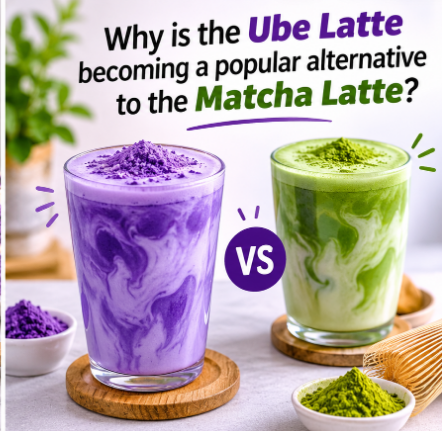
Ube latte is attracting attention as a colorful and comforting alternative to the traditional matcha latte. Made with purple yam, milk and sometimes a touch of sweetener, this vibrant drink offers a naturally sweet, nutty flavor that differs significantly from the grassy notes of green tea. Its striking purple color has helped it become recognizable in cafés and on social media, but appearance alone does not explain its growing appeal.
Unlike matcha, which contains caffeine from powdered green tea leaves, a purple yam latte made without tea or coffee is naturally caffeine-free. This makes it an appealing option for people who want a relaxing afternoon drink or prefer to limit their caffeine intake. The creamy texture and mild flavor also make it approachable for those who find matcha too bitter or earthy.
There is another reason for its popularity: versatility. Ube blends easily into warm or iced beverages, works with dairy and plant-based milk, and pairs well with vanilla, cinnamon and coconut. Its flavor provides a gentle bridge between a traditional latte and a dessert, without necessarily requiring a complicated recipe.
Interest in authentic ingredients has also encouraged people to explore organic ube and other carefully selected purple yam products for homemade drinks. However, the nutritional value of an ube latte depends heavily on its preparation. Understanding the differences in caffeine content, ingredients and health benefits helps explain why this purple beverage is gaining a place alongside matcha.
What makes the ube latte different from matcha latte?
The main difference between an ube latte and a matcha latte begins with their ingredients. Ube comes from Dioscorea alata, a species of purple yam traditionally used in Filipino cooking. Matcha is produced by grinding specially cultivated green tea leaves into a fine powder. Although both ingredients can be mixed with milk to create colorful drinks, their botanical origins and nutritional characteristics are entirely different.
Ube has a naturally mellow flavor, often described as sweet, earthy and slightly nutty, with hints reminiscent of vanilla. Matcha offers a more pronounced vegetal taste, occasionally accompanied by bitterness and umami notes. People who enjoy dessert-like beverages may find ube more accessible, while those who appreciate the distinctive character of green tea often prefer matcha.
Their effects on the body are another important distinction. Matcha contains caffeine and naturally occurring compounds such as L-theanine and tea catechins. Pure ube contains no caffeine, making it suitable for someone who wants a warm, creamy beverage without the stimulating effects of tea or coffee.
Texture depends on preparation. Cooked purple yam can produce a thick, almost velvety consistency when blended with milk. Ube powder may create a smoother drink when properly dissolved, although its texture varies with the product. Matcha generally produces a lighter beverage with a delicate layer of foam when whisked correctly.
Neither drink is automatically healthier. A matcha latte loaded with syrup can contain substantial added sugar, just as an ube latte prepared with sweetened condensed milk can become a high-calorie dessert. The nutritional quality of each latte depends on its ingredients, serving size and preparation method rather than its color.
The nutritional benefits of purple yam in an ube latte
Purple yam is a starchy tuber that naturally contains carbohydrates, dietary fiber and small amounts of several vitamins and minerals. It also contains purple pigments associated with anthocyanins, a family of plant compounds studied for their antioxidant properties. These characteristics contribute to the growing interest in the health benefits of ube.
However, eating a serving of cooked purple yam is not nutritionally identical to drinking an ube latte. A latte may contain only a small quantity of yam or powder, while milk, syrups and sweeteners account for much of its nutritional profile. The amount of fiber and antioxidants delivered by the finished beverage can therefore vary considerably.
Anthocyanins are particularly interesting because they help protect plant tissues and can act as antioxidants in laboratory experiments. Research into anthocyanin-rich foods suggests potential connections with cardiovascular and metabolic health. Still, these findings do not establish that drinking ube latte prevents disease or produces measurable health improvements.
Milk selection also influences nutritional value. Dairy milk and fortified soy milk generally provide meaningful amounts of protein, while almond, oat and coconut beverages can differ substantially in protein content, calories and added sugars. Choosing an unsweetened, fortified option can help create a more balanced drink.
For people monitoring their carbohydrate intake, the quantity of ube matters. Purple yam contains starch, and sweetened commercial ube preparations may contain considerable added sugar. A healthy ube latte is best viewed as an enjoyable part of a varied diet rather than a nutritional supplement.
Why is ube latte becoming so popular in cafés?
The popularity of ube latte is closely connected to the growing international interest in Filipino flavors. Ube has long been an important ingredient in Filipino desserts, including ube halaya, cakes and ice cream. Its introduction into contemporary café menus gives more consumers an opportunity to discover a traditional ingredient through a familiar beverage format.
Appearance plays an undeniable role. The natural purple color of ube creates a visually distinctive drink, especially when combined with white milk or served over ice. This contrast makes purple lattes appealing for photography and social media, helping cafés introduce new flavors to customers who might otherwise continue ordering coffee or matcha.
Another factor is the increasing demand for caffeine-free latte alternatives. Some people enjoy the ritual of visiting a coffee shop but do not want caffeine at every visit. An ube latte can provide a similar sensory experience, including warmth, creaminess and a carefully prepared presentation, without requiring coffee or tea.
Ube also offers cafés considerable creative flexibility. Baristas can combine it with coconut milk, vanilla, cinnamon or espresso, creating beverages suited to different tastes. An ube latte containing espresso is no longer caffeine-free, but this variation may appeal to coffee enthusiasts interested in discovering new combinations.
Its growing visibility also reflects broader curiosity about Asian ingredients and regional culinary traditions. Yet it is important to distinguish authentic purple yam from artificial ube flavoring or heavily colored syrups. Not every purple drink contains meaningful quantities of real ube, and the ingredient list often reveals more than the beverage’s appearance.
How can you prepare a healthier ube latte at home?
Preparing an ube latte at home allows you to control sweetness, milk selection and the amount of purple yam. It also makes it easier to avoid unnecessary syrups or flavorings that may appear in some commercial drinks. The preparation is simple, although the best method depends on whether you use cooked ube or powdered purple yam.
Choosing the right ingredients for a homemade ube latte
Start with a reliable source of purple yam. Cooked and mashed ube provides a rich texture and characteristic flavor. Pure ube powder is convenient for everyday use, but its composition should be checked carefully. Some products marketed as ube powder contain added sugar, starch, flavorings or coloring, while others consist primarily of dehydrated purple yam.
For a typical serving, a small amount of prepared ube puree or reconstituted ube powder can be combined with approximately 200 to 250 ml of milk. Follow the manufacturer’s preparation and cooking instructions when using powder, particularly if it is not intended for direct consumption. The quantity required varies because different products have different concentrations.
Unsweetened soy milk is a useful choice for people seeking a plant-based beverage with some protein. Oat milk offers a naturally creamy mouthfeel, while almond milk generally creates a lighter drink. Dairy milk works equally well for those who consume it.
Choose flavorings sparingly. Vanilla can enhance the natural sweetness of ube, while a pinch of cinnamon provides additional aroma. A small amount of honey or maple syrup is optional, but these ingredients still contribute added sugars. The goal is to preserve the natural flavor of purple yam rather than mask it.
Simple preparation steps for a creamy purple latte
Begin by preparing the purple yam according to the product instructions. If using cooked ube, blend it with a small quantity of warm milk until smooth. If using a ready-to-drink ube powder, mix it with a little liquid to create a uniform paste before incorporating the remaining milk. This helps prevent lumps and improves the final texture.
Heat your chosen milk gently without bringing it to a vigorous boil. Combine it with the prepared ube mixture and whisk until the color becomes consistent. A handheld milk frother can create a pleasant layer of foam, although a regular whisk is sufficient for everyday preparation.
Taste the beverage before adding sweetener. Depending on the ube product and milk used, the drink may already have enough sweetness. A small amount of vanilla can make the flavor feel rounder without adding significant sugar when using an unsweetened extract.
For an iced ube latte, allow any cooked mixture to cool, combine it with chilled milk and pour it over ice. Avoid leaving prepared dairy-based drinks at room temperature for extended periods. Refrigerate leftovers promptly and follow normal food safety precautions.
Homemade preparation offers an additional advantage: consistency. Once you discover the proportions you enjoy, you can recreate the same drink while adjusting its sweetness and nutritional content. This makes ube powder for drinks a practical pantry ingredient for people who regularly prepare café-style beverages at home.
Is ube latte better than matcha for people avoiding caffeine?
For someone specifically trying to reduce caffeine consumption, ube latte without caffeine has a clear advantage over traditional matcha latte. Pure purple yam contains no caffeine, whereas matcha naturally contains this stimulant. The actual caffeine content of matcha varies according to the quantity of powder and the product used.
Caffeine is not inherently harmful for most healthy adults when consumed in appropriate amounts. It can improve alertness and concentration, but some people experience nervousness, palpitations or sleep disturbances when they consume too much. Individual sensitivity varies, and caffeine consumed later in the day may interfere with sleep.
Ube latte offers an alternative for people who enjoy creamy beverages in the evening. However, always check the ingredients when ordering. Some cafés combine ube with espresso, black tea or matcha, creating drinks that do contain caffeine.
Matcha also has nutritional advantages. Its tea catechins have been extensively studied, and its distinctive combination of caffeine and L-theanine may influence alertness. Ube provides a different collection of plant compounds, but there is not enough direct clinical research to claim that one latte is universally superior.
The practical choice depends on your priorities. If you want stimulation and enjoy green tea, matcha may suit you better. If you prefer a naturally caffeine-free drink with a sweet, mellow taste, ube is a compelling alternative.
What should you consider before making ube latte a daily habit?
Drinking ube latte regularly can fit into a balanced eating pattern, provided you consider the ingredients. The biggest nutritional concern is usually not the purple yam itself but the amount of sugar added to the beverage. Sweetened condensed milk, flavored syrups and prepared dessert mixes can substantially increase the sugar and calorie content.
People managing blood glucose should pay attention to both the starch in purple yam and any added sweeteners. Although ube contains plant compounds with interesting nutritional properties, it is still a carbohydrate-containing food. Its purple color does not make it a sugar-free ingredient.
Portion size matters too. A small homemade latte prepared with unsweetened milk is different from an oversized café beverage topped with whipped cream and syrup. Checking the ingredient list and nutritional information is particularly useful when buying commercial mixes.
For most people, the best approach is to enjoy ube latte for its flavor, convenience and variety. Its nutritional contribution can be improved by choosing appropriate milk, limiting sweeteners and using genuine purple yam. These decisions matter more than following a beverage trend.
The growing popularity of ube latte reflects a combination of culinary curiosity, attractive presentation and demand for enjoyable alternatives to caffeinated drinks. Matcha remains an excellent choice for green tea enthusiasts, while ube offers something different: a naturally caffeine-free base, a distinctive flavor and a strong connection to Filipino food culture. Neither beverage needs to replace the other, and both can have a place in a balanced lifestyle.

