


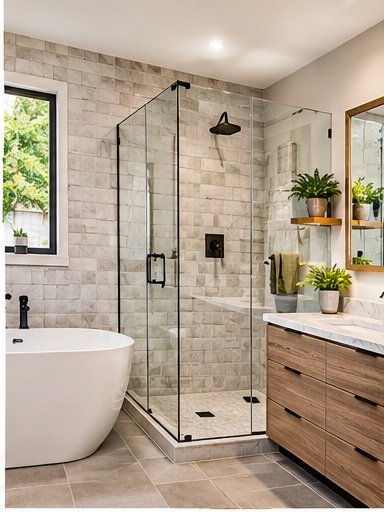
Bathroom renovations often begin with a single frustration: a cramped shower, an outdated bathtub, or surfaces that have become difficult to maintain. However, improving one feature without considering the surrounding space can create new challenges. For example, local shower installation in NJ may address an inconvenient bathing area, but the layout, storage, flooring, and lighting must also complement the updated design. A thoughtful renovation considers how these elements work together to create a bathroom that feels comfortable and functions efficiently.
Start With the Way You Use Your Bathroom
Before selecting fixtures or finishes, consider what makes the existing bathroom inconvenient. Perhaps the vanity lacks storage, the shower entrance feels narrow, or the lighting creates shadows around the mirror. These everyday frustrations reveal which improvements deserve attention. A bathroom shared by several family members may need additional storage and counter space, while a private bathroom might benefit from a larger shower and better organization.
The room’s dimensions also influence what can realistically change. Moving a toilet or shower drain can require plumbing alterations, while enlarging a shower may reduce clearance around other fixtures. Taking accurate measurements and identifying existing plumbing locations helps establish a practical starting point. Sometimes a more efficient arrangement of existing features delivers better results than completely changing the floor plan.
Design the Shower Around Comfort and Accessibility
The shower is frequently one of the most important features in a bathroom renovation. Its dimensions, entrance, enclosure, and surrounding materials influence both appearance and everyday convenience. Replacing an unused bathtub with a shower can create a more practical bathing area, provided the available space allows for appropriate drainage and access. Low-threshold entrances, handheld showerheads, built-in seating, and slip-resistant flooring may also improve usability for different household needs.
Coordinate the Renovation Before Construction Begins
Changing the shower often affects other parts of the bathroom, particularly when the project involves new flooring, fixtures, or storage. Coordinating these improvements through https://www.becinnovations.com/ can bring the different elements of a bathroom renovation into one organized construction plan. This becomes especially important when plumbing adjustments, electrical work, waterproofing, and finish installation must happen in a particular sequence. Establishing the scope before demolition helps reduce conflicting decisions and unexpected changes during construction.
A detailed renovation plan should identify which fixtures will remain, what needs replacement, and whether any structural or mechanical issues require attention. Material selections should also be finalized early enough to account for ordering and delivery. A delayed vanity or shower enclosure can affect several subsequent tasks, even when the installation itself is relatively straightforward.
Choose Materials That Can Handle Daily Moisture
Bathroom surfaces experience regular exposure to humidity, splashes, cleaning products, and temperature changes. Attractive materials are important, but their maintenance requirements deserve equal consideration. Porcelain tile is commonly used for floors and shower walls because of its water resistance and durability. Solid-surface shower surrounds offer another option, particularly for homeowners who prefer fewer grout joints and easier routine cleaning.
Material choices should reflect the household’s cleaning habits as well as its design preferences. Textured flooring may provide better traction when wet, although certain textures require more attention during cleaning. Similarly, highly polished fixtures can show fingerprints and water spots more readily than some brushed finishes. Understanding these practical differences before purchasing materials helps prevent dissatisfaction after the renovation.
Waterproofing is particularly important around showers and other wet areas. Tile and grout alone do not form a complete waterproofing system. Properly installed membranes, sealed penetrations, and suitable drainage protect underlying materials from moisture damage. These installation details are less visible than decorative finishes, but they have a significant influence on the bathroom’s long-term performance.
Make Storage and Lighting Part of the Design
Storage often determines whether a renovated bathroom remains organized after the initial excitement wears off. Drawers, recessed cabinets, shower niches, and appropriately sized vanities can provide convenient places for toiletries, towels, and cleaning supplies. The goal is to accommodate frequently used items without unnecessarily reducing circulation space.
Lighting deserves similar attention. Ceiling fixtures provide general illumination, but additional lighting near mirrors can make grooming tasks easier. Wall-mounted fixtures or carefully positioned vanity lights can reduce facial shadows. Ventilation should also be reviewed during planning, since excess moisture can contribute to condensation, peeling finishes, and mold growth. A properly sized exhaust fan helps remove humid air from the room.
Balance Renovation Costs With Long-Term Value
Bathroom remodeling expenses vary considerably depending on the scope of work, material selections, and existing conditions. Replacing a vanity and updating fixtures is generally less involved than relocating plumbing or rebuilding an entire shower. Establishing a realistic budget requires separating essential improvements from optional upgrades.
Investments that address persistent functional problems may provide greater everyday benefits than purely decorative changes. Reliable plumbing fixtures, effective waterproofing, adequate ventilation, and practical storage deserve priority. Keeping a contingency allowance is also sensible, particularly in older bathrooms where damaged subfloors, deteriorated plumbing, or previous moisture problems may only become visible after demolition begins.
Think Beyond the Finished Appearance
A successful bathroom renovation should make ordinary routines easier, not simply produce an attractive room. Shower doors should open comfortably, storage should be accessible, and surfaces should be manageable to clean. Fixtures need sufficient clearance, and lighting should support the activities performed throughout the space.
Before approving the final design, consider how the bathroom will function during busy mornings, routine cleaning, and changing household needs. When layout, materials, installation quality, and daily convenience receive equal attention, the finished bathroom is more likely to remain practical and comfortable for years to come.

