


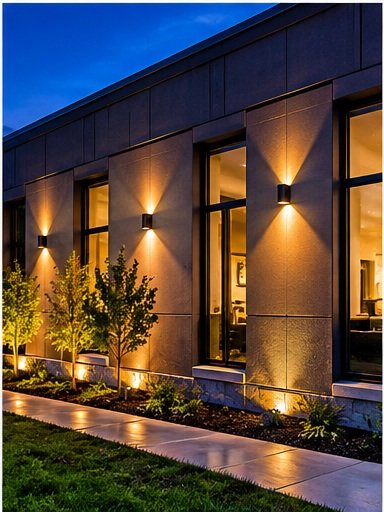
A building’s appearance changes dramatically when the sun goes down, but the right lighting can preserve its architectural character while adding an entirely new dimension. Exploring creative ways to illuminate building exteriors can reveal opportunities to emphasize structural details, improve visibility, and create a welcoming atmosphere. Whether the property is residential or commercial, effective exterior lighting depends on understanding how light interacts with different surfaces, surrounding landscapes, and the building’s overall design.
Improving an existing lighting system doesn’t always require starting from scratch. Many properties already have fixtures, wiring, and mounting locations that can support an updated design. By evaluating these elements before making changes, property owners can identify opportunities to improve illumination while avoiding unnecessary construction. Combining thoughtful design with modern lighting technology often produces more balanced results than simply installing brighter fixtures.
Understanding What Makes Exterior Lighting Effective
Successful exterior lighting begins with identifying the building’s most distinctive features. Architectural elements such as columns, textured walls, decorative stonework, and entranceways can become focal points when illuminated carefully. The objective is to reveal their character without overwhelming the surrounding environment or creating harsh contrasts.
Different lighting techniques produce different visual effects. Uplighting can emphasize vertical surfaces and architectural features, while grazing light across textured materials creates shadows that reveal depth. Downlighting offers a softer appearance and can improve visibility around entrances and walkways. Combining these techniques creates visual interest while maintaining a consistent atmosphere throughout the property.
Improving Existing Systems Through Lighting Retrofits
Older lighting installations sometimes struggle to provide consistent illumination, especially when fixtures have deteriorated or their original placement no longer meets the property’s needs. A lighting retrofit offers an opportunity to improve performance while retaining compatible elements of the existing installation. Modern LED components can provide more efficient operation, improved color consistency, and greater flexibility in controlling brightness.
Retrofitting is particularly practical when renovation work needs to remain limited. An existing fixture may accommodate upgraded lamps or components without requiring extensive structural modifications. The lighting retrofit solutions at https://www.illuminatedlightingdesign.com/ address this balance between modern lighting performance and existing infrastructure, helping illustrate how targeted improvements can refresh a space without replacing every element of its original system.
However, not every fixture is suitable for modification. Older electrical components, damaged housings, or incompatible controls may require replacement rather than a simple upgrade. Evaluating electrical safety, fixture condition, weather exposure, and LED compatibility helps determine whether retrofitting is a practical solution. This assessment also allows lighting improvements to be planned around realistic budgets and long-term maintenance requirements.
Creating Visual Depth With Layered Illumination
One of the most effective ways to improve exterior lighting is to introduce multiple layers of illumination rather than relying on a few powerful fixtures. Architectural lighting highlights building features, landscape lighting adds dimension to nearby vegetation, and functional lighting provides visibility along paths, steps, and entrances.
These layers should complement one another instead of competing for attention. A softly illuminated entrance can serve as the main visual destination, while subtle lighting along surrounding walls creates continuity. Nearby trees or planting beds can add depth without drawing attention away from the architecture. Carefully balanced brightness levels help the entire property feel connected after dark.
Lighting color also influences the finished appearance. Warm white illumination often complements traditional architecture and natural materials, while certain contemporary designs may benefit from a more neutral tone. Consistency matters, since noticeably different color temperatures can make an otherwise coordinated installation appear fragmented.
Reducing Glare While Improving Visibility
Increasing brightness isn’t always the best way to improve outdoor visibility. Excessively powerful lights can create uncomfortable glare, obscure architectural details, and produce deep shadows beyond illuminated areas. A more effective approach considers where light is needed and how it should be directed.
Shielded fixtures, appropriate beam angles, and carefully selected mounting positions can reduce unwanted light spill. Entrances and walkways require enough illumination for comfortable movement, while decorative areas often benefit from lower brightness levels. Directing light toward intended surfaces also helps limit unnecessary illumination reaching neighboring properties or the night sky.
Controls provide another opportunity to improve lighting performance. Timers, dimmers, motion sensors, and compatible automated systems can adjust illumination according to different activities and times of day. A property might maintain subtle architectural lighting throughout the evening while increasing brightness around entrances when needed.
Planning for Long-Term Performance and Maintenance
Exterior lighting must withstand conditions that indoor installations rarely encounter. Rain, moisture, temperature changes, insects, and accumulated debris can affect fixture performance over time. Choosing equipment with suitable environmental ratings and durable materials helps reduce premature deterioration.
Fixture accessibility should also influence the initial design. Lights installed in difficult-to-reach locations may create unnecessary maintenance challenges, particularly when vegetation grows or building features obstruct access. A practical plan considers future cleaning, adjustments, and component replacement alongside immediate appearance.
Energy consumption deserves attention when comparing lighting options. Efficient LED systems generally use less electricity than older incandescent or halogen technologies, although actual savings depend on wattage, operating hours, and system configuration. Combining efficient fixtures with appropriate controls can help manage operating costs without sacrificing the intended visual effect.
Ultimately, improving exterior lighting is about making deliberate choices rather than adding illumination everywhere. By evaluating existing equipment, preserving usable infrastructure, and coordinating architectural and functional lighting, property owners can create outdoor environments that remain attractive, comfortable, and practical long after sunset.

