


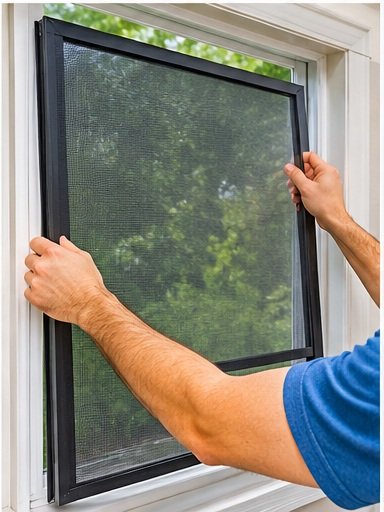
A window upgrade often begins with a small frustration. Insects enter whenever the windows are open, an existing screen blocks an attractive view, or a room feels uncomfortable despite having plenty of natural ventilation. Finding the right solution involves understanding the problem before comparing products. This connection between homeowner needs and practical solutions also shapes the targeted window-and-door marketing strategies developed by Window Revenue Labs, USA, where reaching customers depends on understanding what they actually want to improve. Whether someone needs replacement windows or a more functional screening system, clear information helps turn an initial search into a worthwhile home improvement decision.
Understanding What Homeowners Expect From Window Upgrades
Most homeowners begin researching window improvements because something about their current setup no longer works well. Some want better airflow without inviting insects indoors. Others are concerned about privacy, sunlight, or maintaining the appearance of their windows.
These priorities influence which products deserve consideration. A traditional fixed screen may provide sufficient insect protection for a frequently opened bedroom window. However, a large living room window overlooking a garden might benefit from a different approach, especially when preserving the view matters.
Identifying these differences early can prevent unnecessary spending. Homeowners should consider how frequently each window is opened, whether the screen will remain visible throughout the year, and how easily it can be cleaned or removed. Understanding the intended use makes it easier to distinguish between essential features and upgrades that offer little practical benefit.
Modern Window Screens Offer More Than Insect Protection
Window screens have evolved beyond the familiar mesh panels attached to window frames. Contemporary options include retractable systems, custom-sized installations, and specialized mesh materials designed to address different comfort and visibility concerns.
Retractable screens are particularly useful when homeowners want flexibility. Unlike fixed screens, which remain in front of the glass, retractable designs slide into a discreet housing when they are not needed. This allows homeowners to maintain an unobstructed view while still having insect protection available whenever they open their windows.
The growing range of custom screening options also makes proper sizing increasingly important. A made-to-order retractable window screen from https://www.phantomlongisland.com/ can accommodate specific window dimensions while offering the convenience of a screen that disappears when not in use. For homeowners with prominent windows or carefully planned interiors, this flexibility can be especially valuable.
Mesh selection deserves attention as well. A more open weave generally improves airflow and outward visibility, while tighter materials may provide additional privacy or sunlight control. These features involve trade-offs, however. A screen designed primarily for solar protection may reduce natural light more noticeably than a conventional insect screen.
Why Clear Product Information Influences Buying Decisions
Home improvement purchases often require more research than everyday household products. Homeowners need to understand how different options work, whether installation requires modifications, and what kind of maintenance will be necessary afterward.
For window and screen installers, explaining these details clearly can make the buying process less confusing. An informative service page should describe compatible window types, available materials, installation considerations, and the situations where a particular product works well.
Photographs also have an important role. An image of a retractable screen installed on an actual window can communicate its appearance more effectively than a general product description. Showing the screen both extended and retracted helps homeowners understand how the system will function in their own homes.
Contractors benefit from answering common questions before an estimate is requested. Someone who understands the basic differences between fixed and retractable screens can describe their requirements more accurately. This often makes the initial conversation more productive and helps both parties establish realistic expectations.
Installation Quality Matters as Much as Product Selection
Even a carefully selected screen may perform poorly if the installation is unsuitable for the window. Measurements must account for the opening, frame construction, operating hardware, and the space available for mounting tracks or screen housings.
Different window styles introduce different considerations. Casement windows, for example, open outward and may require an interior-mounted screen. Sliding and double-hung windows can allow different mounting arrangements depending on their configuration.
Professional installation can be particularly useful for custom retractable systems, where alignment affects how smoothly the screen operates. Tracks that are incorrectly positioned may create resistance, while poorly fitted edges can leave openings for insects.
Before approving an installation, homeowners should ask how the screen will operate, whether existing window hardware will interfere with it, and what cleaning or maintenance the system requires. They should also understand which parts are covered by any applicable warranty.
Making Window Improvements Worth the Investment
The most suitable window improvement is not necessarily the most expensive or technologically advanced option. Its value depends on how effectively it addresses a household’s needs.
For one homeowner, replacing a damaged fixed screen may provide everything necessary. Another may benefit from a retractable system that preserves a view while improving ventilation. A third may prioritize mesh that reduces glare or provides additional privacy.
Comparing products according to daily use, installation requirements, appearance, and long-term maintenance provides a more useful basis for deciding than appearance or price alone.
The same principle applies to the information contractors provide. Clear descriptions, realistic expectations, and accurate installation guidance help homeowners understand what they are purchasing. When the product, the installation, and the household’s priorities align, even a relatively modest window upgrade can make a noticeable difference in everyday comfort.

