


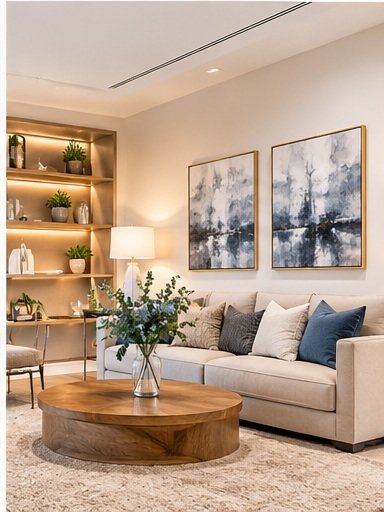
A well-designed home feels comfortable long after the excitement of a renovation has faded. Its appeal comes from more than attractive furniture or carefully chosen colors. Room proportions, flooring, lighting, and architectural details all influence how a space looks and functions. Creating timeless interior aesthetics begins with understanding how these elements work together. When the permanent features of a home support everyday activities, decorating becomes easier, and the interior can evolve without requiring another major renovation.
Start With the Way Each Room Functions
Before choosing materials or finishes, consider what happens in each room throughout the day. A living room used for entertaining needs different seating arrangements and circulation space than one primarily used for quiet evenings. Kitchens require practical relationships between preparation areas, appliances, and storage, while bedrooms benefit from layouts that minimize unnecessary furniture and visual clutter.
These considerations influence architectural decisions as well. Moving a doorway might improve circulation, while changing the placement of cabinets can create additional storage without expanding the room. Even relatively small adjustments, such as allowing enough clearance around a dining table, can make a noticeable difference in daily comfort. Establishing these priorities early helps prevent situations where attractive design features interfere with how the household actually operates.
Give Flooring a Central Role in the Design
Flooring occupies a substantial portion of the visible interior, making it one of the most influential design choices. Its color, grain, texture, and finish affect how surrounding materials appear. Light wood can make a room feel open and relaxed, while deeper tones introduce warmth and contrast. Wider planks emphasize the natural variation within the material, whereas narrower boards create a more detailed pattern that can suit traditional interiors.
Existing hardwood floors also deserve careful consideration before a renovation begins. Scratches, faded finishes, and minor surface damage do not always mean replacement is necessary. Depending on the wood’s condition and thickness, sanding and refinishing may restore its appearance while preserving established architectural character. Hardwood installation and restoration projects involving www.premierhardwood.net/ encompass these practical decisions, including whether damaged boards can be repaired and how a new finish should coordinate with adjoining spaces. Making those assessments early can influence the entire renovation plan.
Choose Colors and Materials That Work Together
A cohesive interior does not require every surface to match. In fact, subtle differences in texture and tone often make a room more interesting. Natural wood floors can sit comfortably beside painted cabinetry, stone countertops, woven textiles, and metal fixtures when their colors share a consistent direction.
Undertones are particularly important. A floor with pronounced orange or red coloring may clash with cabinetry that has distinctly cool gray undertones. Comparing samples under the room’s actual lighting conditions helps reveal these differences before materials are installed.
It also helps to distinguish permanent design choices from easily replaceable decorative elements. Flooring, cabinetry, and large built-in features generally require greater investment and effort to change. Neutral or adaptable finishes can provide flexibility, allowing artwork, upholstery, and smaller accessories to introduce stronger colors or seasonal variation without disrupting the overall interior.
Use Lighting to Highlight Materials and Architectural Details
Lighting changes the appearance of almost every material in a room. Natural daylight reveals wood grain, surface texture, and subtle variations in paint color. Artificial lighting can produce a different effect depending on its placement, brightness, and color temperature.
Rather than relying entirely on ceiling fixtures, consider combining ambient lighting with task lighting and carefully positioned accent fixtures. Under-cabinet lighting improves visibility during food preparation, while wall sconces can soften the atmosphere in a hallway or bedroom. Directional lighting can also highlight textured surfaces, artwork, or architectural features.
The finish of a hardwood floor deserves attention here. Glossy surfaces reflect more light and may reveal scratches more readily, while matte and satin finishes produce a softer appearance. Testing flooring samples under both daylight and evening lighting provides a more reliable impression of how the completed room will look.
Coordinate Renovation Decisions Before Work Begins
Interior projects become more complicated when material choices are made independently. Replacing flooring after cabinetry has been installed, for example, may require additional finishing work around fixed elements. Similarly, changing wall layouts after electrical planning can create unnecessary adjustments.
A coordinated renovation schedule helps avoid these problems. Structural changes, electrical work, plumbing modifications, flooring preparation, and finish installation should be considered together, even when different specialists handle each stage.
It is equally important to account for practical details that are easy to overlook. Transitions between flooring materials, door clearances, baseboard profiles, and differences in finished floor heights can affect the quality of the completed space. Addressing them during planning often produces a cleaner result than trying to conceal inconsistencies afterward.
Build an Interior That Can Change Over Time
A lasting interior should accommodate changes in furniture, personal preferences, and household routines. Flexible room layouts, durable materials, and sensible storage solutions make adaptation easier. A room designed around one specific furniture arrangement may become restrictive, while a well-proportioned space can support several uses over time.
Maintenance also contributes to longevity. Understanding how to clean wood floors, protect finishes, and manage normal wear helps preserve the original design investment.
Ultimately, successful interiors are built through a series of connected decisions. When functionality, materials, lighting, and craftsmanship receive equal attention, the result is a home that remains practical, visually balanced, and welcoming through years of everyday use.

