


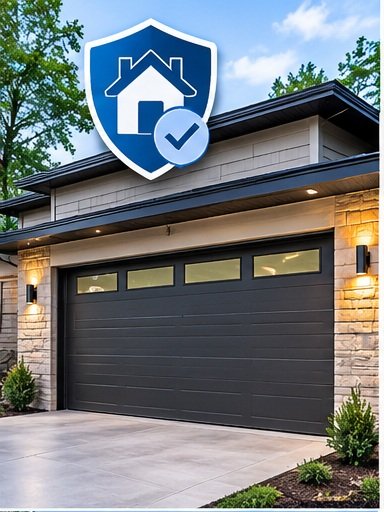
Garage doors serve different purposes depending on where they are installed, but every system needs to operate safely, smoothly, and consistently. A warehouse planning a commercial installation with radford garage doors & gates of orange county must consider opening speed, available clearance, security, and daily traffic. Residential garage doors face different demands, although the underlying priorities remain similar. Both depend on appropriate equipment, proper installation, and regular maintenance.
The difference becomes clear when comparing a commercial roll-up door with a typical residential sectional door. One may open dozens of times throughout a working day, while the other operates only a handful of times. Understanding these differences helps property owners choose suitable equipment, recognize developing problems, and avoid unnecessary repairs.
Choosing a Door That Fits Its Daily Workload
A garage door should be selected according to how the opening will be used, not simply its dimensions or appearance. Commercial facilities often require doors that accommodate frequent movement, large vehicles, and limited overhead space. Rolling steel doors are commonly used for security and durability, while high-speed fabric doors can help maintain efficient movement through busy operational areas.
Residential garages generally have different priorities. Homeowners may focus on insulation, noise reduction, appearance, and compatibility with automatic openers. Sectional doors are common because they can provide practical overhead operation while offering numerous design and material options. Regardless of the application, the door’s weight, construction, and operating mechanism must be appropriate for its intended use.
Recognizing Problems Before a Door Stops Working
Garage doors rarely develop mechanical problems without showing some warning signs. Unusual noises, uneven movement, slow operation, and difficulty closing can indicate worn or damaged components. In commercial environments, these symptoms may affect deliveries, employee access, and daily operations. At home, similar problems can prevent vehicles from entering or leaving the garage.
Identifying the cause is more important than immediately replacing the most noticeable component. A door that reverses unexpectedly may have an obstruction or a safety sensor problem, while one that struggles to lift could have an issue with its spring system or mechanical resistance. For residential repairs arranged through http://www.elpasowestgaragedoorrepair.com/, describing these symptoms clearly can help technicians determine which parts require closer inspection.
Commercial systems present additional considerations because frequent operation places repeated demands on motors, guides, and other moving components. Damaged curtain slats, worn rollers, misaligned tracks, or electrical faults can interfere with normal operation. Continuing to operate a malfunctioning door may worsen the damage, making prompt professional assessment particularly important.
Safety Depends on More Than a Working Opener
A garage door that opens and closes is not necessarily operating safely. Springs, cables, tracks, and lifting mechanisms must work together correctly to control the door’s movement. If one component becomes damaged or improperly adjusted, the system may behave unpredictably.
Residential automatic doors commonly use photoelectric sensors and reversal mechanisms to reduce the risk of entrapment. These features require periodic testing according to manufacturer instructions. Commercial doors may incorporate monitored safety edges, sensors, or other protective devices suited to their operating conditions and applicable safety requirements.
Property owners should also recognize which repairs require professional assistance. Broken springs, damaged lifting cables, and doors that have left their tracks can create serious injury risks. These components should not be adjusted or repaired without the appropriate training and equipment.
Knowing When Repair Is Better Than Replacement
Not every garage door problem justifies replacing the entire system. Worn rollers, damaged panels, faulty sensors, and certain opener issues may be resolved through targeted repairs. The decision depends on the door’s overall condition, the availability of compatible replacement parts, and whether the repair will restore safe, dependable operation.
Replacement becomes more reasonable when damage affects major structural components, corrosion is extensive, or repeated failures make continued repairs impractical. A commercial facility may also consider upgrading an older door when its opening speed or operating capacity no longer meets business requirements.
For residential properties, replacement decisions may include additional factors such as insulation, appearance, and noise levels. Comparing the cost of repairs with the expected remaining service life of the door helps establish whether repairing or replacing it offers better long-term value.
Building a Practical Maintenance Routine
Preventive maintenance does not need to be complicated, but it should reflect how frequently the door operates. Property owners can visually check tracks, panels, weather seals, and accessible hardware for obvious damage. They should also pay attention to changes in movement or sound and keep the operating area clear of obstructions.
Commercial doors used throughout the day generally need more frequent professional attention than lightly used residential systems. Maintenance may include checking alignment, inspecting lifting components, testing safety devices, and lubricating designated parts according to manufacturer recommendations.
For homeowners, periodic professional servicing can identify wear that may not be apparent during everyday use. Keeping a record of previous repairs and recurring problems can also make future maintenance decisions easier.
Reliable Operation Begins With the Right Priorities
Commercial and residential garage doors differ in size, construction, and daily demands, but reliable performance depends on the same basic principles. Appropriate equipment, correct installation, early attention to mechanical problems, and consistent maintenance all contribute to safer operation.
Rather than waiting for a complete breakdown, property owners benefit from understanding how their garage door works and recognizing when its behavior changes. That awareness can help reduce unexpected interruptions, protect the equipment, and keep essential entrances functioning as intended.

