


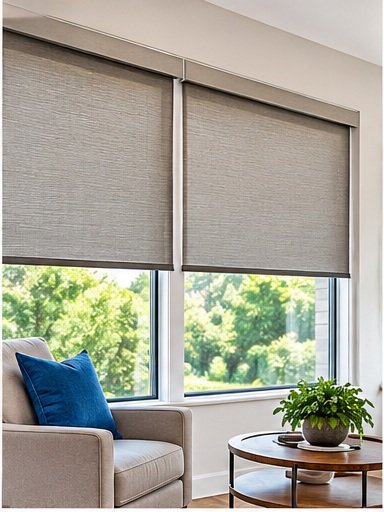
A bright, open room can feel inviting in the morning but uncomfortable by midday when sunlight begins heating the furniture and reflecting off screens. Managing these changes requires more than attractive window coverings. Thoughtful interior shading for contemporary homes works alongside properly selected windows to regulate daylight, improve privacy, and create a comfortable living environment. Considering both elements together helps homeowners make practical decisions about appearance and everyday functionality.
Windows determine how natural light enters a room, while shades control how much of that light reaches the interior. Their combined performance influences everything from temperature fluctuations to the way colors and materials appear throughout the day. Understanding their individual roles is particularly useful when renovating an older property or planning upgrades to a recently purchased home.
Why window performance matters beyond appearance
Windows are important parts of a home’s building envelope, affecting insulation, ventilation, and protection from outdoor conditions. Older or poorly installed units may allow unwanted air movement, making indoor temperatures harder to maintain. Even an attractive window can become a source of discomfort if its glazing, frame, or weather seals are no longer performing properly.
Modern replacement windows offer different frame materials, glazing configurations, and performance ratings. Insulated glass and low-emissivity coatings can help limit unwanted heat transfer, while appropriate frame construction and installation support long-term durability. Selecting suitable products depends on the local climate, window orientation, and the condition of the surrounding structure.
Recognizing when new windows are necessary
Not every uncomfortable room needs replacement windows. Sometimes excessive brightness or limited privacy can be addressed with well-chosen coverings. However, condensation trapped between panes, deteriorating frames, persistent drafts, and difficulty opening or closing windows may indicate problems that interior shades cannot correct. A replacement project with www.thewindowdepotllc.com/ addresses the window system itself, including glazing, frames, and installation details that influence long-term performance.
Homes exposed to strong sunlight, heavy rain, or severe weather may also require windows designed for specific environmental conditions. In storm-prone areas, appropriately rated impact-resistant products can provide additional protection against windborne debris. Window coverings serve a different purpose, allowing occupants to manage light and privacy without addressing the structural requirements of the opening.
How roller shades improve everyday living
Roller shades offer a straightforward way to adjust natural light without introducing bulky decorative elements. Their streamlined construction makes them particularly suitable for interiors where clean lines and unobstructed window views are priorities. When raised, the fabric rolls neatly around a tube, leaving most of the glass visible.
The fabric determines much of a shade’s performance. Light-filtering materials soften incoming sunlight while maintaining a bright atmosphere. Solar fabrics can reduce glare and preserve some outward visibility, depending on their openness and lighting conditions. Blackout materials provide greater light control and are often appropriate for bedrooms or media rooms, although light may still enter around the edges.
Privacy deserves particular attention when selecting fabrics. A material that limits visibility into a room during daylight may become less effective after dark when interior lights are switched on. Homeowners should evaluate how a shade performs under different lighting conditions rather than relying solely on its appearance in a showroom.
Combining natural light with energy efficiency
Sunlight can make a room feel warmer, particularly when large windows face direct afternoon sun. While properly specified glazing helps manage solar heat gain, roller shades provide an additional layer of control. Lowering suitable shades during the brightest hours can reduce direct sunlight entering the living space and help limit heat buildup.
The relationship between windows and shades also changes with the seasons. During colder periods, allowing sunlight through certain windows may contribute useful warmth, while closing suitable coverings at night can provide a modest additional insulating benefit. The overall effect depends on the window’s construction, shade material, fit, and surrounding conditions.
Furniture protection is another consideration. Prolonged exposure to sunlight can contribute to fading in upholstery, flooring, and artwork. UV-reducing glazing and appropriate shade fabrics can help limit exposure, although neither necessarily prevents all discoloration over time.
Matching window treatments to the room
Different rooms benefit from different combinations of glazing and shading. Living areas often need flexible light control that maintains an open atmosphere. Kitchens may benefit from moisture-resistant, easy-to-clean materials, while bedrooms generally require greater privacy and light reduction. Home offices present another challenge because direct sunlight can create distracting reflections on computer monitors.
Window size and placement also affect the choice of covering. Wide openings may need carefully selected shade mechanisms and fabrics to ensure smooth operation. Recessed installations create a subtle appearance, while outside-mounted shades can provide additional coverage around the opening. Accurate measurements are important in either case, particularly when minimizing unwanted light gaps.
Motorized controls may be practical for tall windows, difficult-to-reach openings, or rooms with several shades. Timed adjustments can also make daylight management more convenient. However, manual systems remain suitable for many households and generally involve fewer components.
Planning improvements in the right order
When both replacement windows and interior shades are being considered, completing structural work first usually makes sense. New frames or altered window dimensions can affect how coverings fit, making measurements taken before installation unreliable.
A sensible plan begins with evaluating window condition, identifying the sources of discomfort, and determining which concerns require replacement or repair. Shading choices can then be based on the finished openings and the room’s actual lighting needs.
The most effective result comes from understanding what each element contributes. Windows provide the foundation for insulation, weather protection, and natural light, while roller shades allow finer adjustments to brightness and privacy. Together, they create a more adaptable interior that responds to changing conditions without sacrificing comfort or visual simplicity.

